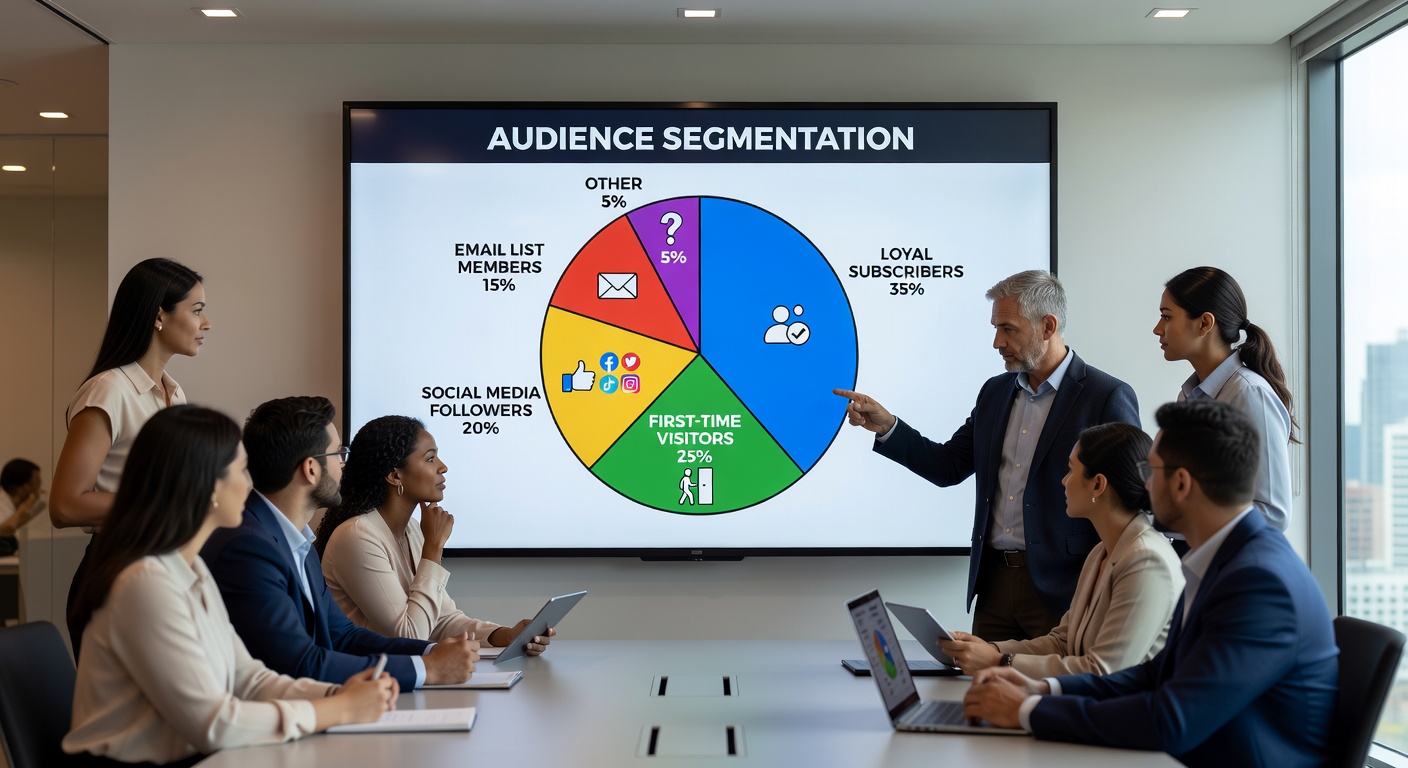
Most audience research starts in the wrong place. Creators look at successful competitors, study what content performs well for them, and then try to attract the same audience. The logic seems sound — but it creates a fundamental trap.
When you model your audience on a competitor's audience, you're not attracting your ideal customers. You're attracting people who are already committed to someone else. And when they have to choose between the established creator and the imitator, they almost always choose the original.
The solution isn't to ignore your competitors. It's to do your audience research from the source — the actual humans in your niche — rather than from what's already working for others.
The Four Primary Research Sources
Direct Conversation
Talk to 10–20 people in your target audience. Not surveys. Not polls. Actual conversations. Ask them about their frustrations, what they've tried, what they wish existed, and where they feel misunderstood by current content in the space. These conversations reveal language patterns, emotional drivers, and gap opportunities that no competitor analysis will surface.
Review Mining
Read 1-star and 5-star reviews of books, products, and courses in your niche. The 1-star reviews tell you exactly what your audience didn't get that they desperately needed. The 5-star reviews tell you what language they use when something delivers genuine value. Both are gold mines of authentic, unfiltered audience language.
Community Observation
Spend time in Reddit threads, Facebook groups, and Discord servers where your target audience gathers. Don't just read the popular posts — read the comments. Read the posts that get 0 upvotes from people who were too afraid to ask elsewhere. The overlooked questions reveal what the mainstream content is missing.
Search Intent Mapping
Look at what your audience searches for at different stages of their journey. Someone searching "how to lose weight fast" is in a very different emotional state than someone searching "why can't I maintain weight loss." Both are in your niche. Both need different content. Mapping search intent gives you a behavioral picture of the audience journey, not just a demographic snapshot.
The Mistake of Demographic Personas
Traditional audience personas focus on demographics: 32-year-old female, lives in suburban area, household income $75k+, works in marketing. These facts are almost useless for content strategy.
What matters is psychographic context:
- What have they already tried that didn't work?
- What do they believe is the reason they haven't succeeded yet?
- What would they risk or sacrifice to solve this problem?
- Who do they blame — themselves, bad advice, bad genes, or bad luck?
- What does success look like in their mind, specifically?
These questions reveal the emotional architecture of your audience. And content that speaks to that emotional architecture will always outperform content targeting demographic boxes.

Mapping Without Copying: The Differentiation Framework
Once you understand your audience at a psychographic level, you can position your content to serve the gaps your competitors leave. This is where differentiation becomes natural rather than forced.
Ask yourself these three questions:
- What frustration does my audience have that current content ignores? This is your primary differentiation point.
- What belief does my audience hold that I can challenge with evidence? This is your contrarian angle.
- What outcome does my audience want that competitors are positioning wrong? This is your reframing opportunity.
Watch out: If your audience map looks almost identical to what your top competitor describes on their website, you've done competitor analysis, not audience research. Go back to the source.
Building the Audience Map Document
Your audience map should be a living document with four layers:
- Layer 1 – The Problem Layer: 3–5 specific frustrations in their own words
- Layer 2 – The Belief Layer: What they currently believe about the problem and potential solutions
- Layer 3 – The Journey Layer: What they've tried, what failed, what they're skeptical of now
- Layer 4 – The Dream Layer: The exact outcome they want, as specifically as they'd describe it to a friend
Every piece of content you create should map back to at least one of these four layers. If you can't identify which layer a piece of content serves, it probably shouldn't be in your content calendar.
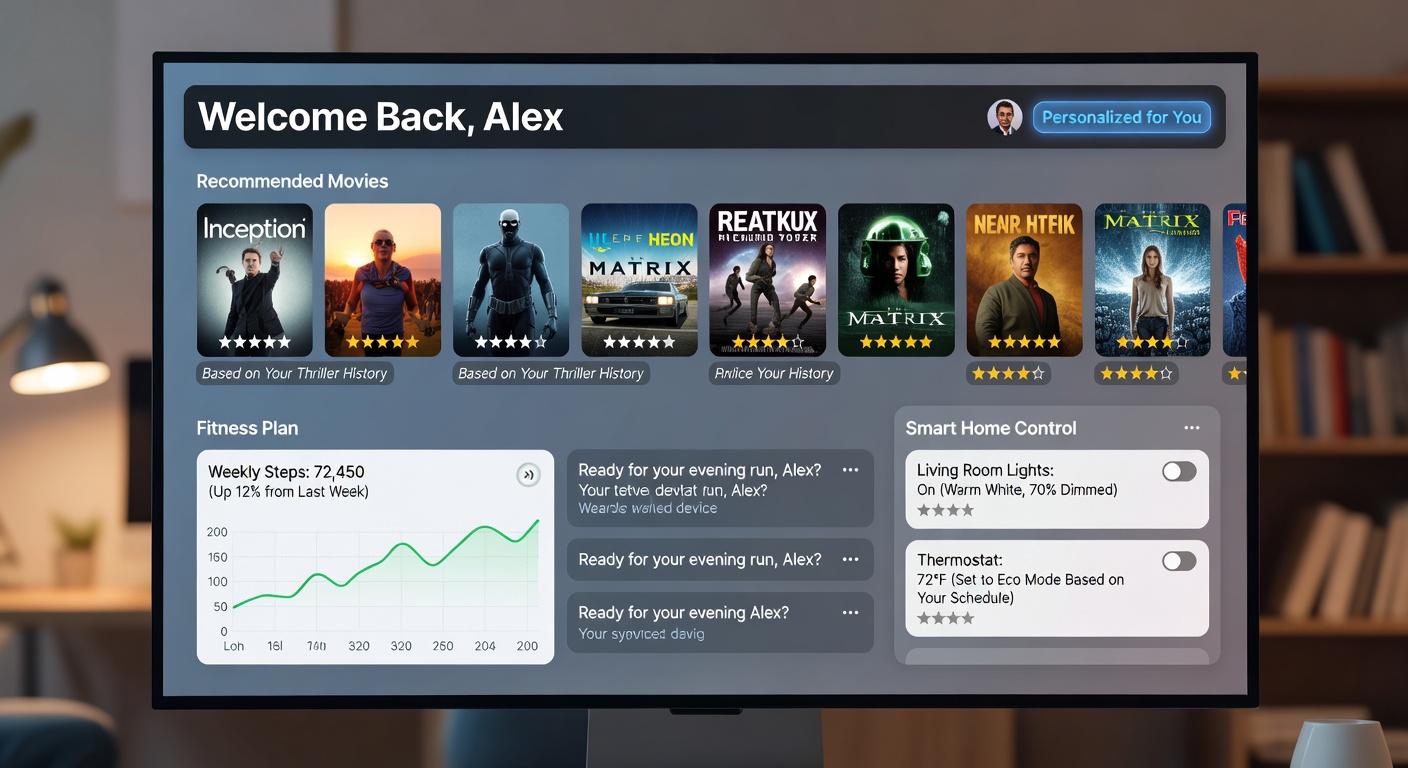
Use NicheBuilder's Audience Types tool to explore 6 universal audience segments and 3 deep-dive personas for fitness, finance, and eCommerce niches. Each persona includes the exact language, frustrations, and content format preferences for that segment. Explore Audience Types →
When to Update Your Audience Map
Audiences evolve. The frustrations that drove someone to your niche in 2024 may not be the same ones driving new entrants in 2026. Review your audience map at least once per quarter by going back to your primary sources — reviews, community posts, and direct conversations. This keeps your content fresh and prevents the gradual drift toward generic that affects most content strategies over time.